The Shadow Dance
Giammarco Falcone
The Shadow Dance
August 21-30, 2026
Following a month-long residency at 12Antwerp, Italian artist Giammarco Falcone presents a new immersive installation created in direct dialogue with the gallery’s architecture.
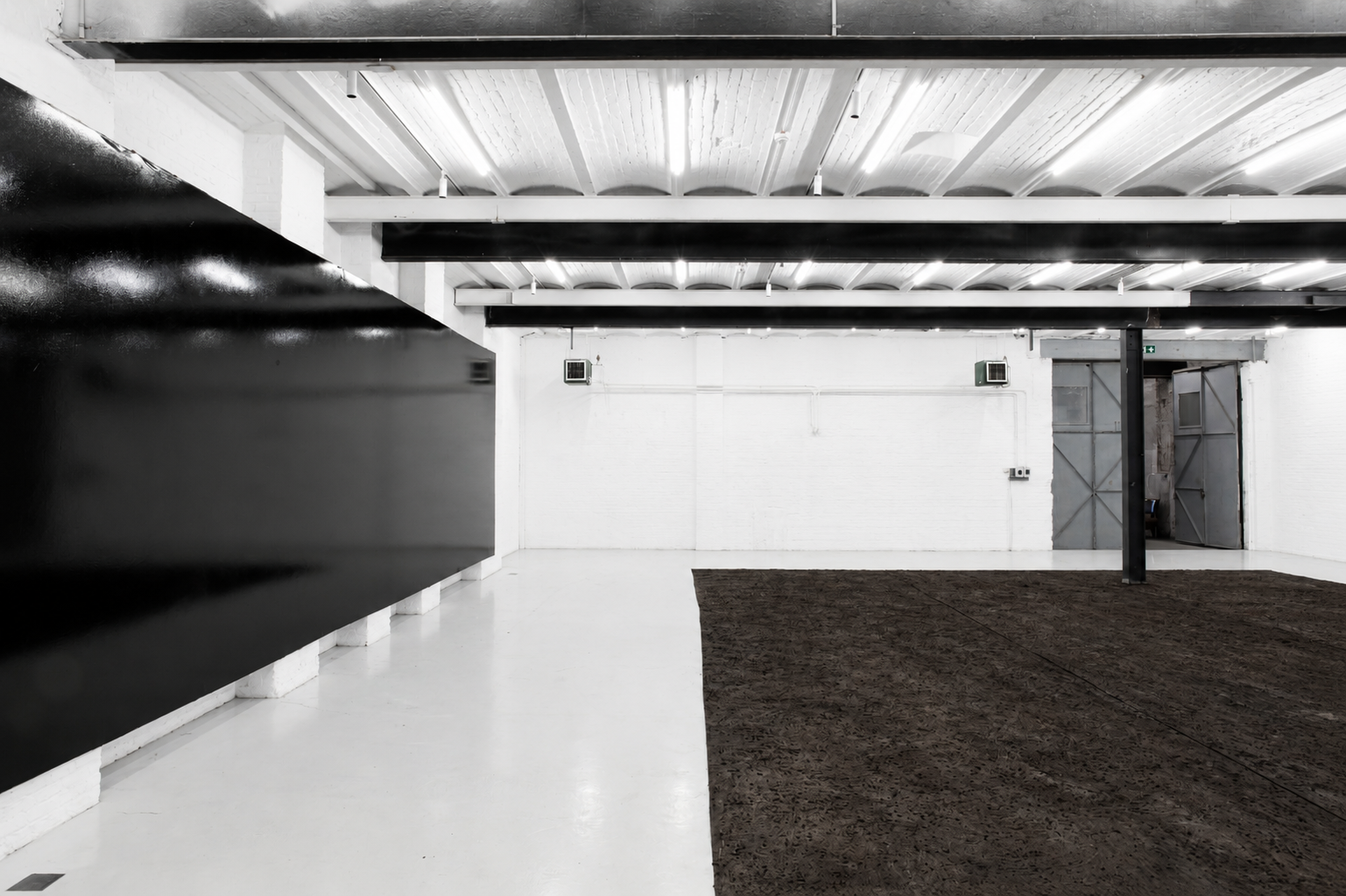
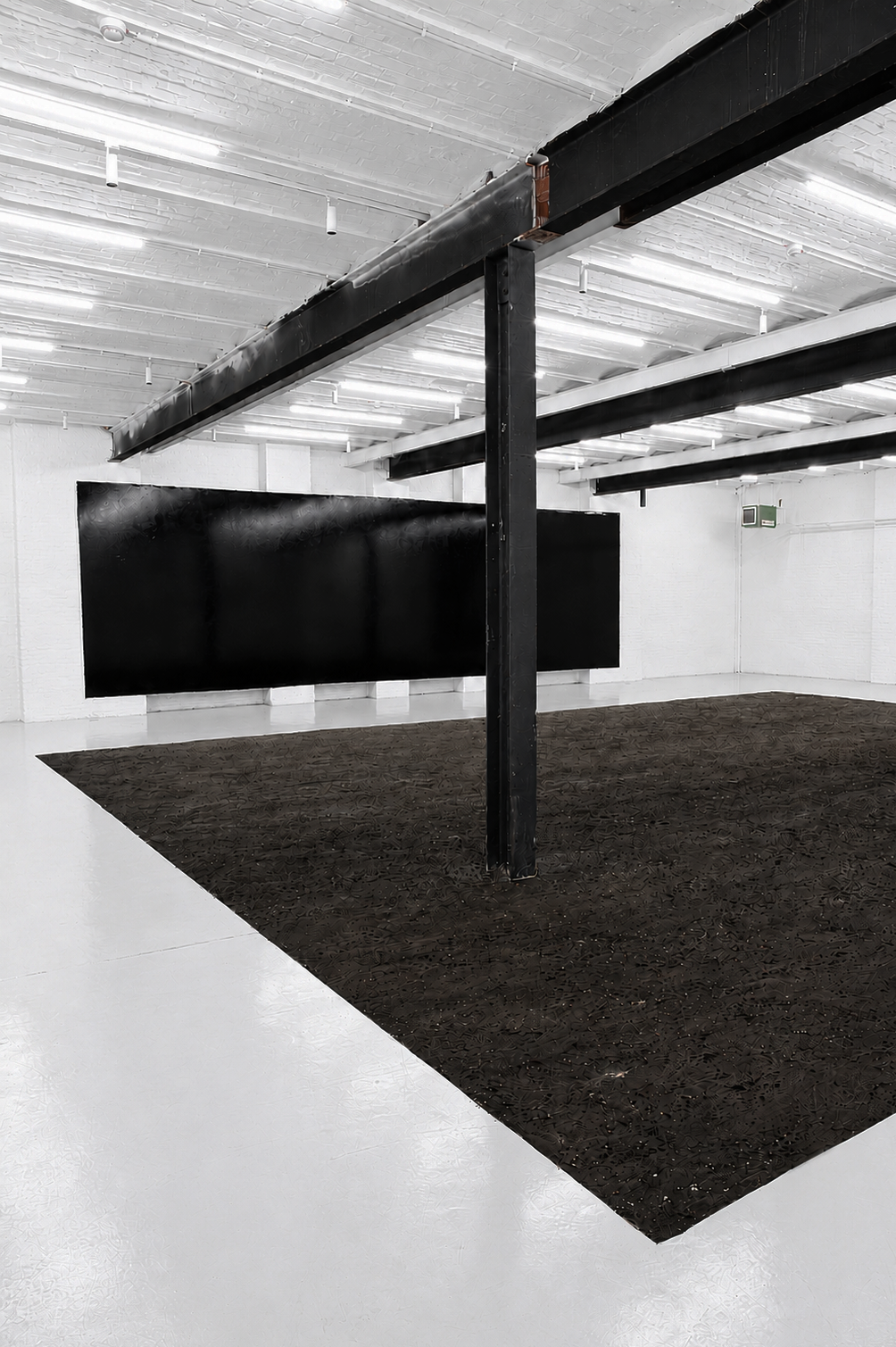
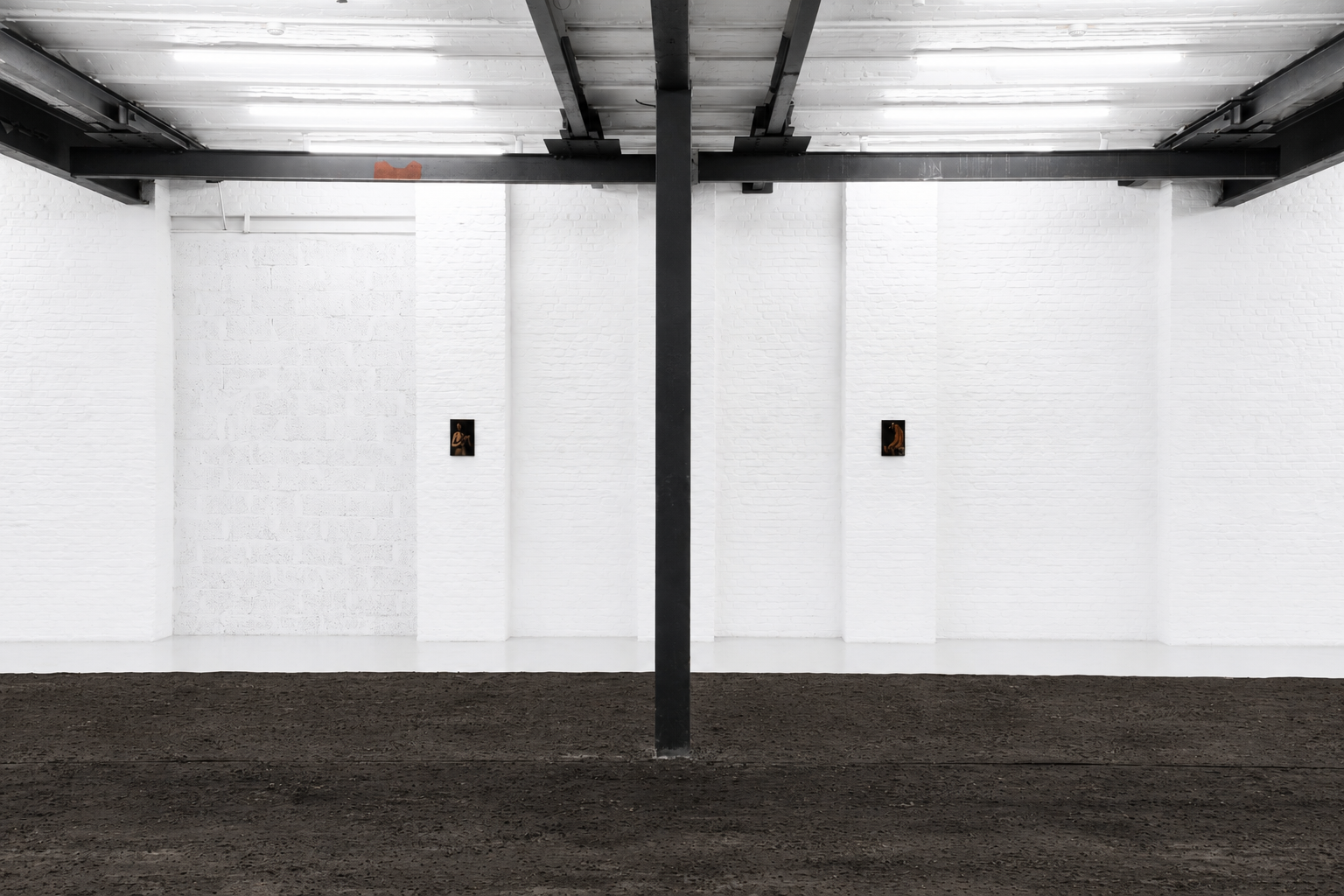
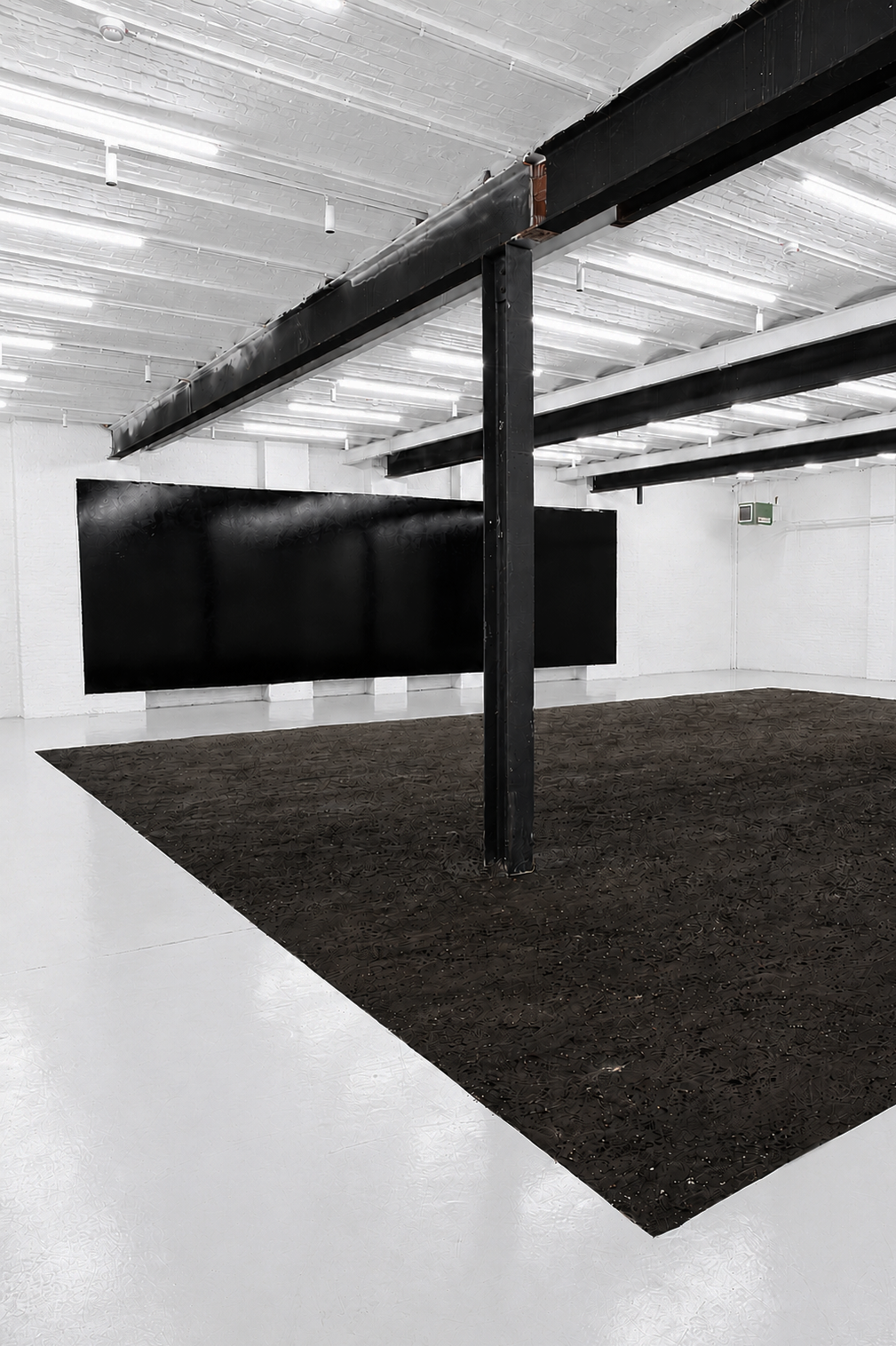
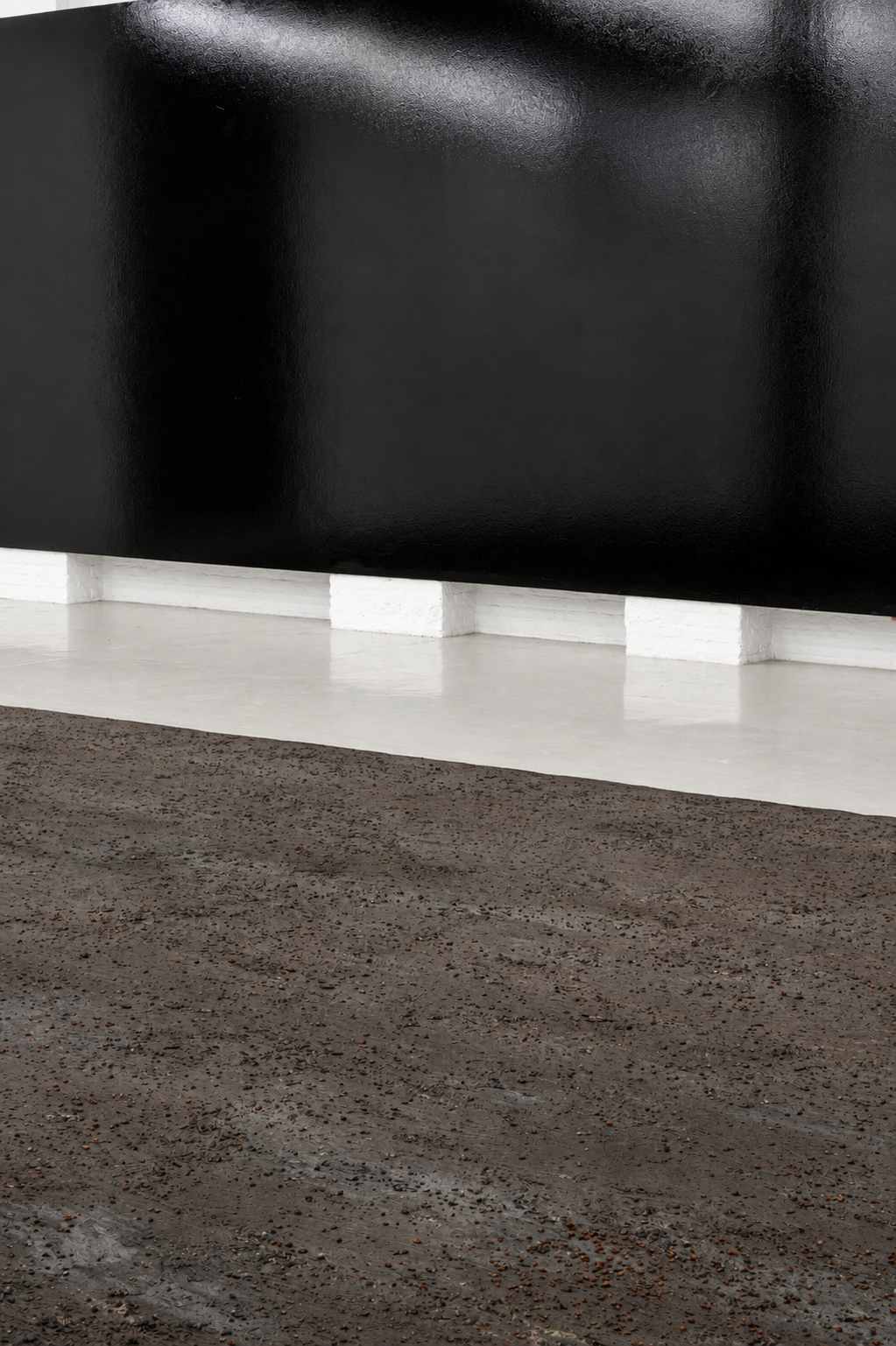
Extending beyond the canvas, the work takes over the gallery itself. A vast landscape spreads across the floor, while a monumental painting occupies the wall above it. Ground and horizon, matter and image, architecture and art merge into a single environment, one that visitors are invited to enter, move through and experience.
Opening evening: August 21, 18:00-20:00
Exhibition dates: August 21-30, 2026
Opening hours: Thursday–Sunday, 14:00–17:00; Monday–Wednesday, by appointment only (office@12antwerp.com).
Venue: Kattendijkdok-Oostkaai 12, Antwerp
—
About the exhibition
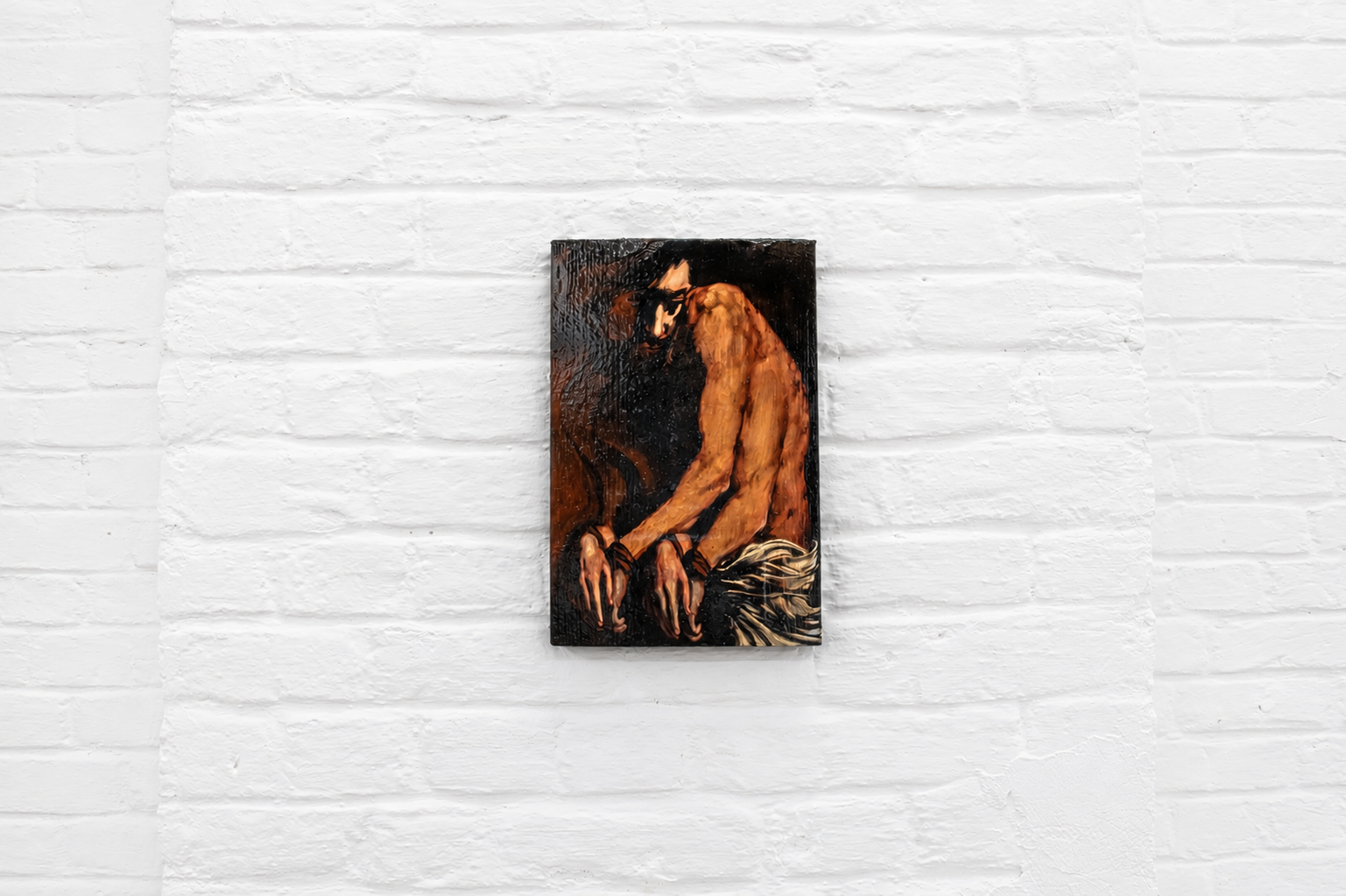
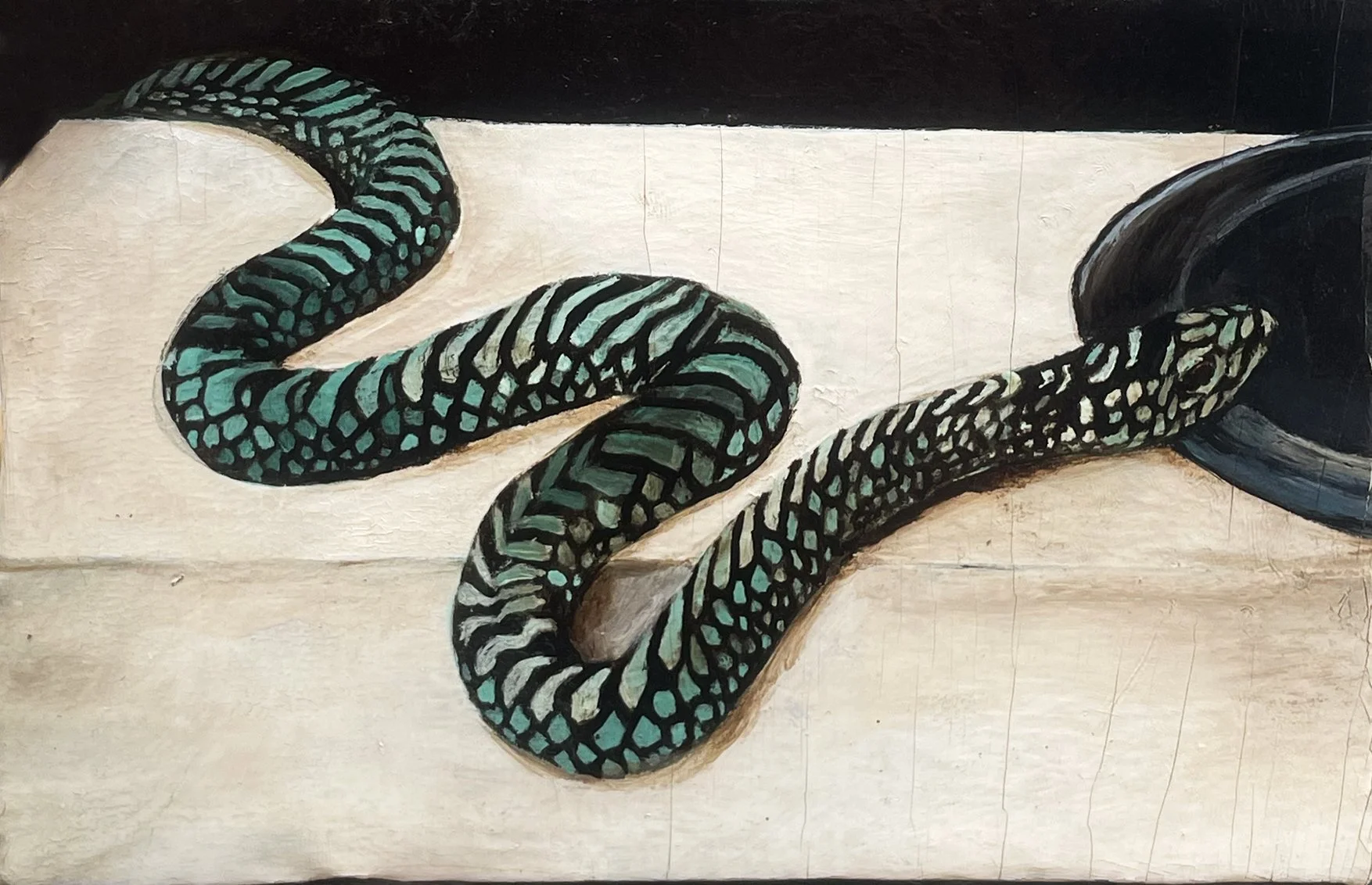
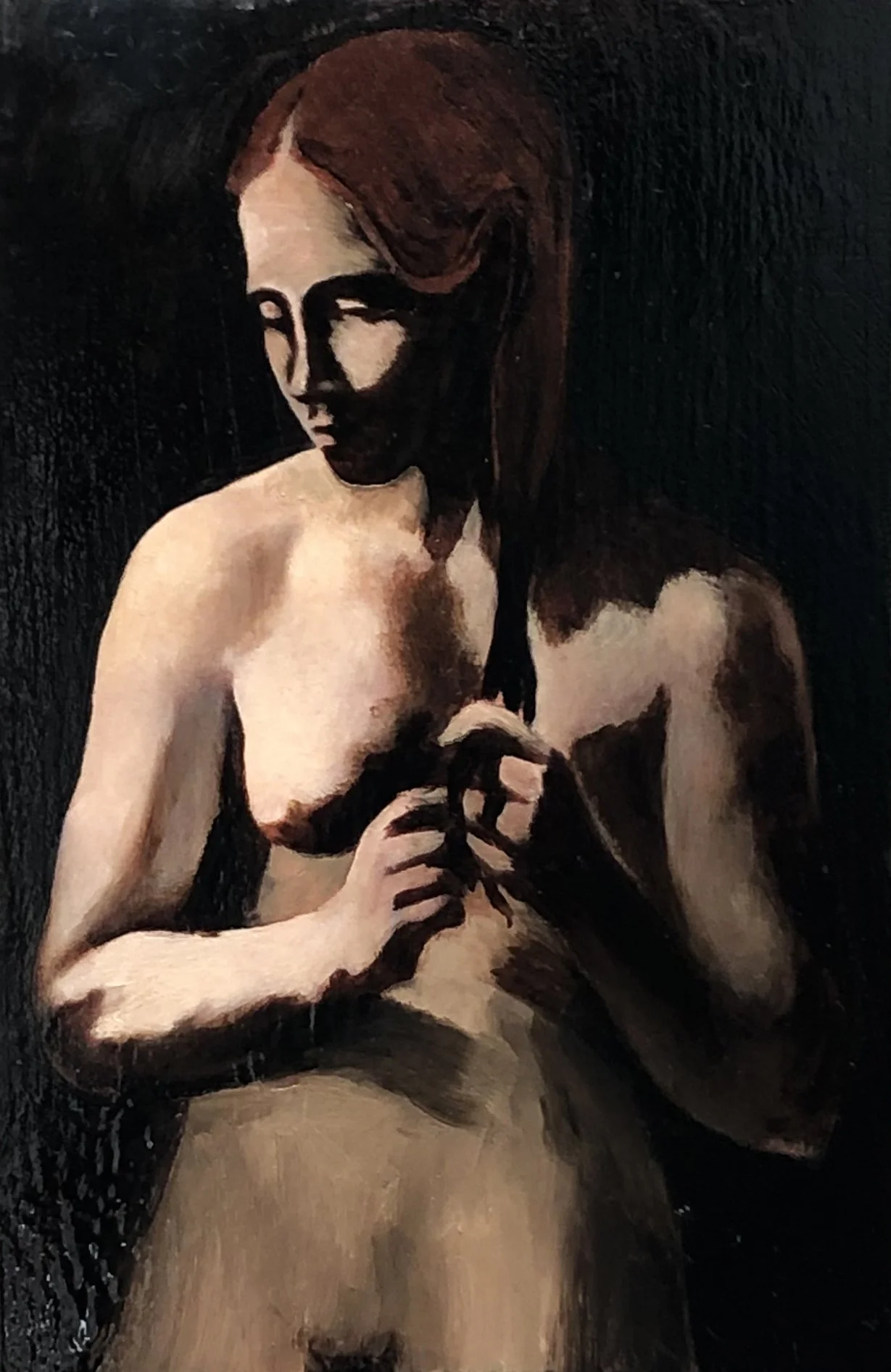
Falcone’s practice is rooted in an ongoing dialogue with the history of painting. Drawing from the techniques and visual codes of old masters, he appropriates and distorts them through a contemporary pictorial language, moving between figuration and abstraction. Ideas of the double, the mirror, shadow and light recur throughout his work, alongside a continued exploration of how the human figure is represented and recognised through images.
These ideas take on a spatial dimension at 12Antwerp. At the heart of the installation, a monumental black painting acts as a dark mirror, reflecting and distorting the exhibition space and those moving through it. Visitors are confronted with their own reflection, a spectre, a fragmented or denied image, becoming part of the work itself. Painting is no longer something simply observed from a distance, but something encountered physically, in a shifting tension between image and reality, presence and absence.
This spatial approach resonates closely with the practice behind 12Antwerp: an exploration of how architecture can shape encounters, create experiences and provide a framework for other forms of creativity. Rather than acting as a neutral backdrop, the gallery becomes an active part of the installation, a place where art and architecture meet, and where the visitor enters a continuous dance of reflections and shadows.
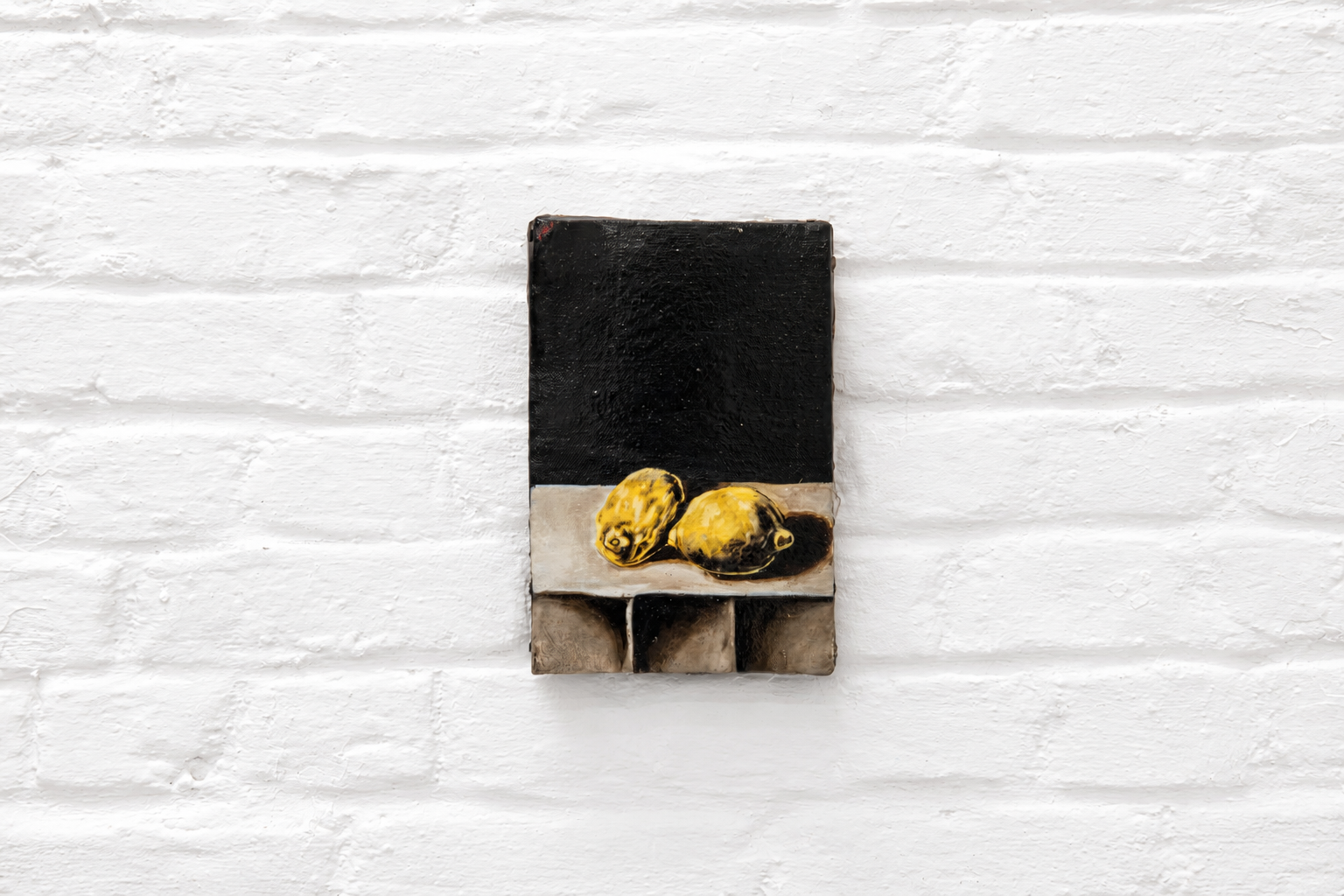
![still life with lemons and shadows oil on canvas 25x20cm 2021[67].jpg](https://images.squarespace-cdn.com/content/v1/6610944ef7e1a65ee13d03c2/1787756198278-ICCOFV00OP0HETCIWLV7/still+life+with+lemons+and+shadows+oil+on+canvas+25x20cm+2021%5B67%5D.jpg)